
Uncategorized
Future of Human Connection With Robots: AI and Intimacy
Jul
Table of contents
Picture this: you get home after a brutal day. No awkward silence, no fear of being misunderstood, and no pressure to hold it together. Someone’s waiting for you, ready to listen and offer comfort the second you need it.
Now picture that someone isn’t human. It’s a machine built to connect with you the way only people used to.
This isn’t science fiction anymore; it’s happening now. Modern AI can have real conversations, remember what you said last week, and read your mood before you speak. So what happens when these machines become our closest confidants, our partners, even our source of love?
What Are AI Relationships?
You’ve probably heard the term “AI relationships” thrown around lately. But what does it actually mean?
It’s the bond you form with artificial intelligence. Computers used to be tools. You typed a command, and the machine spit out a result. Simple transaction, nothing more.
Today feels different. Tell a chatbot about your bad day, and it responds. It remembers your name and asks how you’re feeling.
That is the shift: from simple tasks to something that feels emotional. You might open up to a virtual assistant about your anxiety, and it responds with calming words. It uses data to sound supportive and build a sense of connection. You feel heard, and the line between tool and friend starts to blur. That is the core of what people now call digital bonding.
The Rise of Humanoid Companions
We’re drawn to things that look like us because it’s instinct. Humanoid companions tap into that instinct, closing the gap between cold hardware and warm interaction.
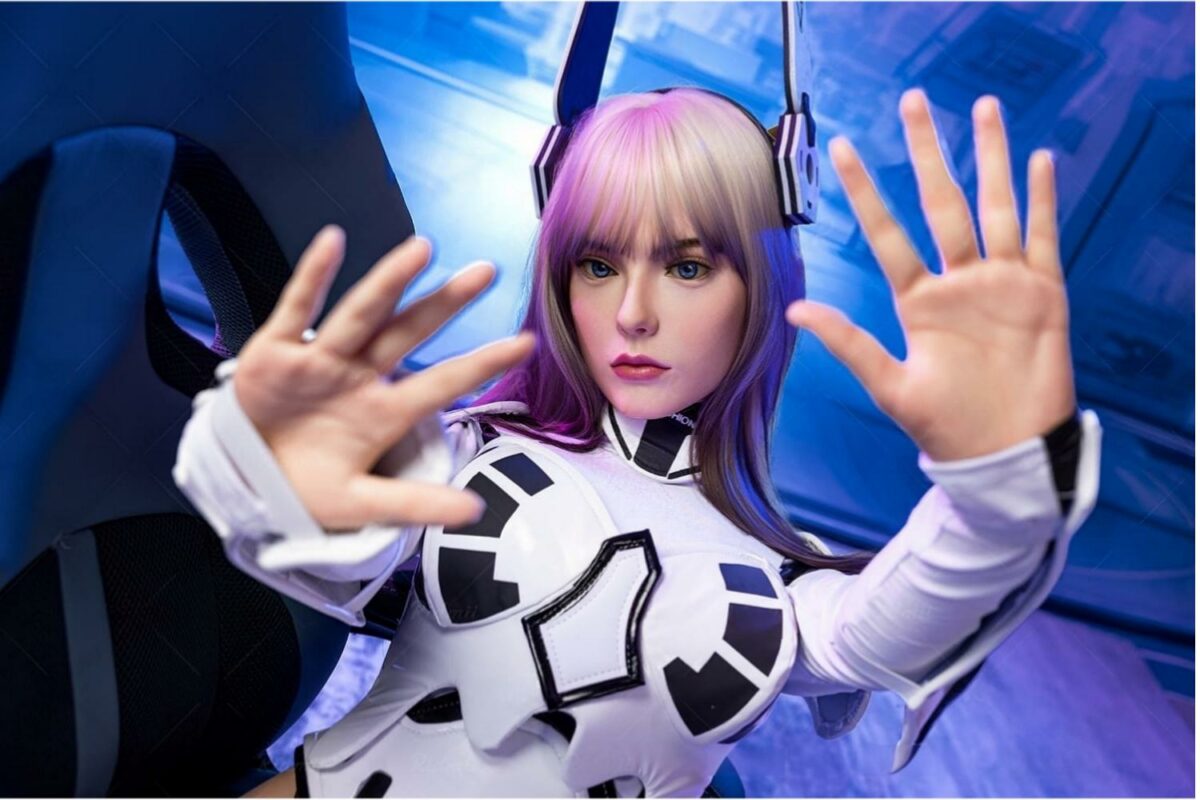
AI sex dolls have improved physical realism thanks to better materials and responsive tech.
Here’s where things stand right now:
- Lifelike textures: Skin materials mimic the feel of real skin almost perfectly. Warm, soft, comforting to the touch.
- Facial expressions: Tiny motors create subtle smiles or frowns. The face reacts to your voice in real time.
- Voice recognition: The robot replies in a natural-sounding tone, tuned to match your emotional state.
Will Social Robots Become Our Partners?
Robots used to stay put on factory floors. Now they’re showing up in bedrooms and living rooms. That move changes everything about how we think of them.
So, will social robots really become our partners? It depends on what you mean by “partner.” A tool does what you tell it to; a partner responds, adapts, and seems to care how things turn out.
Modern AI friends ask about your day, remember what upset you last week, and adjust their tone to your mood. That back-and-forth feels like partnership, even when the “mutual” part is simulated. For a lot of people, that feeling is enough to build real emotional routines around.
Psychological Effects of AI Companions
What happens in your mind when you bond with something built to look and act human? Research and real user experiences point to some clear effects, both good and worth watching.
The upsides:
- Stress relief and emotional regulation. A consistent, judgment-free outlet to talk to can ease anxiety and hand you back a sense of control.
- A confidence boost. For people who find socializing hard, AI companions offer a low-pressure space to practice.
- Consistent comfort. No fatigue, no snapping at you, no walking away. That reliability is rare, and people crave it.
Psychologists studying sex dolls and mental health have noticed real shifts in user well-being. People coping with grief, depression, or long stretches of isolation often report feeling steadier and less alone.
Research into sex dolls and their role in fighting loneliness backs this up. More people are finding real comfort in synthetic companionship. The goal is not to replace human connection, but to offer something dependable when it feels out of reach.
Things to watch:
- Unrealistic expectations. Robots agree with you. They don’t push back. That doesn’t prepare you for the friction of real relationships.
- Social withdrawal. Lean too hard on a machine, and your drive to connect with people can fade.
- Guilt or confusion. Some people wrestle with what it means to feel connected to something that isn’t alive.
Can You Fall in Love With an AI?
Love is biology at work. Positive social interaction triggers oxytocin and dopamine release in your brain, whether it comes from a person or a machine.
That’s why people keep asking, “Can you actually form an emotional connection with a sex doll?” The answer comes down to how your brain handles consistent positive reinforcement. A companion who listens patiently and responds warmly produces the same chemical response associated with human bonding.
That doesn’t make the feeling fake. It just means your biology doesn’t need a human source to spark real attachment.
Will Robots Replace Human Relationships?
A lot of people worry that machines will take over entirely, that romance itself will become obsolete. But it’s most likely not. They offer something different, not a replacement.
Human relationships are messy: people argue, have bad days, and change their minds without warning. That unpredictability is hard, but it is also what makes love run deep. Machines do not have those flaws; they are safe, predictable, and endlessly comfortable. But that predictability is also their limit. You cannot grow alongside a machine the way you grow with a person. Robots will complement your life. They will not replace your need for real human touch.
The Future of Human Intimacy With Machines
The next decade will reshape tech-driven romance in ways we’re only starting to imagine. Artificial empathy is about to get a lot more sophisticated, and robotic emotional intelligence will keep pace right behind it.
The way people connect is going to shift. These machines will start anticipating your needs before you even ask.
Here’s what’s likely coming:
- Advanced memory: Virtual partners will recall details from old conversations and reference jokes from months back.
- Sensory feedback: Machines will respond instantly to touch, simulating real human warmth through more advanced systems.
- Seamless integration: Your companion will sync with your smart home, adjusting your environment to match your mood.
Frequently Asked Questions
Do companion machines feel real emotions?
No. They simulate emotions by looking at your words, tone, and behavior, then crafting responses that feel empathetic. It can feel real to you, but the machine is not actually feeling anything.
Are virtual partners safe for your mental health?
In moderation, yes. They offer a judgment-free space to work through your emotions, which can ease stress. Lean on them too much, though, and you risk losing real-world social skills and feeling more isolated over time.
How do people interact with robotic partners?
Pretty much the way they’d interact with a person. Humans naturally anthropomorphize things that respond to touch, voice, or emotion. Give a companion a name or personality, and the bond begins to feel more real.
Can artificial empathy fully cure loneliness?
No. Think of it as a supplement, not a cure. It can ease isolation and offer real comfort, but it can’t replicate the depth or unpredictability of human relationships.
What happens when an AI companion malfunctions?
It can trigger real grief. Although the malfunction is technical, users become attached to these machines, making losing one like losing a relationship.
Final Thoughts
Technology is advancing rapidly, and synthetic companionship is entering our homes faster than society can process it. You get to decide what intimacy and connection mean to you before the machines try to decide for you.
Used thoughtfully, these tools can offer real comfort, confidence, and joy. They work best when they add to your life rather than replace the people already in it. Keep your human bonds strong, stay open-minded, and step into this new era of connection on your own terms.